The Heritage Site

A 6-hectare medieval landscape at the heart of Weston-sub-Edge — once freely enjoyed by the community for 200 years, now at risk.

A Square Medieval Moat

The centrepiece of the heritage site is a Scheduled Ancient Monument, listed and protected by Historic England. The moat is a roughly square island of approximately 92 metres across, surrounded by a water-filled moat up to 20 metres wide and 3 metres deep.

These moats were typically symbols of status rather than military defence. This one surrounded the prestigious manor house of the Giffard family — one of the most powerful Norman families in Gloucestershire — who held the manor for approximately 400 years from the early 12th century until the early 17th century.

The manor house itself was demolished around 1800, but the moat survives almost perfectly intact beneath the surface — a remarkable time capsule of medieval life waiting to be properly explored.
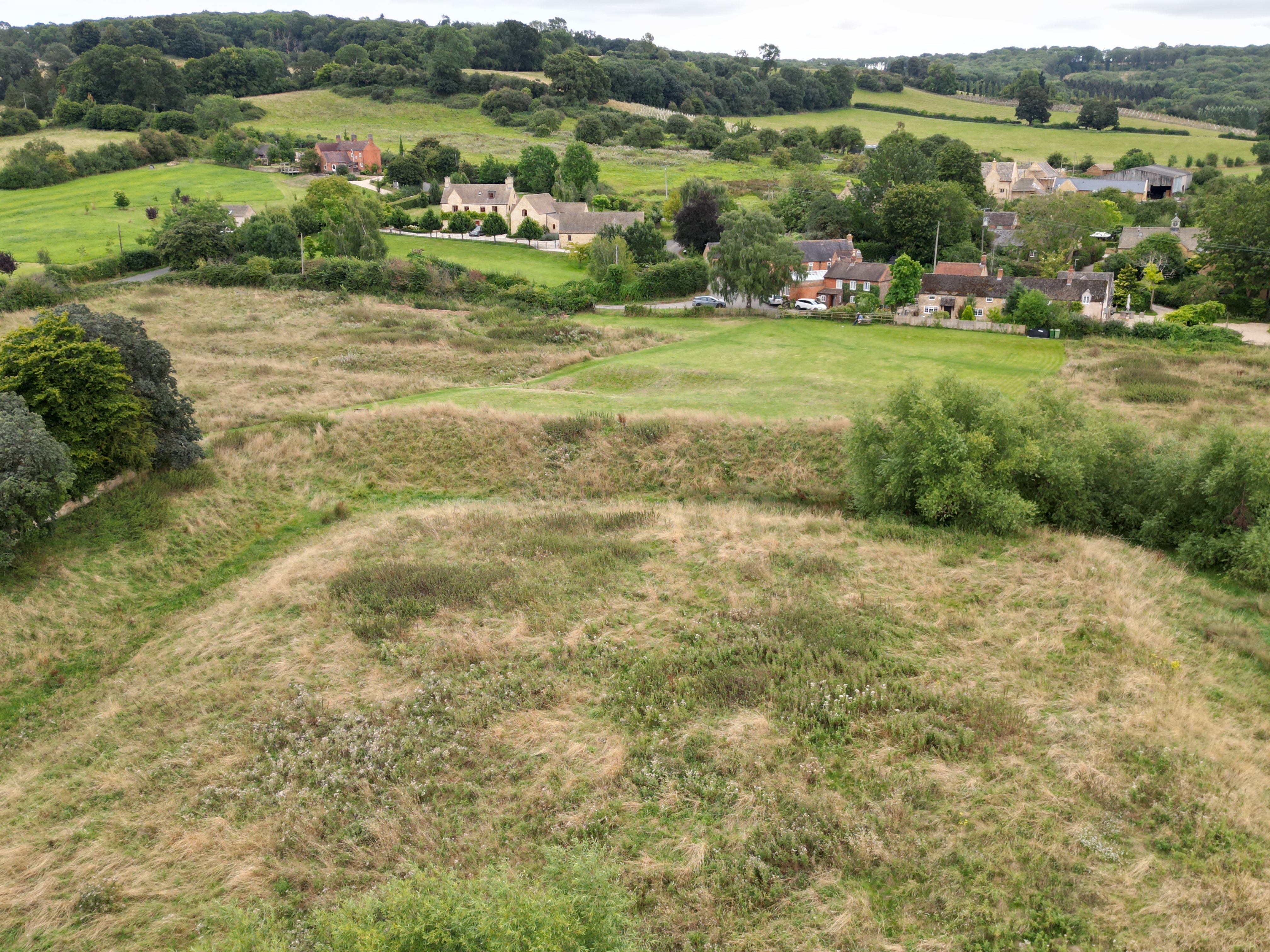
Aerial illustration of the Weston-sub-Edge heritage site

What the Site Contains

🌊

The Medieval Moat

A near-perfectly preserved square moat — 92m across, up to 20m wide — surrounding the central island where the Giffard manor house once stood. A Scheduled Ancient Monument of national significance.

🐟

Historic Fishponds

Adjacent to the moat, a series of historic fishponds supplied the manor with fresh fish throughout the medieval period. These ponds remain visible and are a key feature of the heritage landscape to be restored.

Norman Parish Church

Immediately to the east of the moat stands the church of St. John the Baptist & St. Lawrence — built by Godfrey Giffard, Bishop of Worcester, in the 13th century. Its 1315 altar stone and Jacobean pulpit survive to this day.

🌳

Historic Walnut Trees

Walnut trees historically grew on the estate land. As part of our restoration programme, WSE Heritage CIC plans to replant native walnut trees — restoring the character of this unique Cotswold landscape.

🗺

Public Footpaths

Established public footpaths cross the site — enjoyed freely for over 200 years until 2023. Restoring these rights of way for walkers, families and dog owners is a primary goal of the campaign.

🔬

Archaeological Potential

The site has never been fully excavated. Roman coins (2nd century AD) and medieval artefacts have already been found in the village. A professional archaeological dig could transform our understanding of this landscape.

The Norman church and moat at Weston-sub-Edge at dusk

A Nationally Protected Monument

The moated manor site is listed as a Scheduled Ancient Monument by Historic England — the highest level of legal protection for an archaeological site in England. This status means that any works on the site must be approved by Historic England and must be conducted to the highest professional standards.

WSE Heritage CIC will work as the primary stakeholder with the National Heritage Office, ensuring all archaeological investigations and restoration works are conducted correctly and that all findings are shared publicly.

This status also strengthens our application for heritage grant funding — including grants from the National Lottery Heritage Fund, which could contribute significantly to the land purchase and restoration costs.

Help Fund the Restoration

The Giffard Family Legacy

The Giffard family shaped Weston-sub-Edge for over 400 years. Their Norman heritage permeates the village — from the moated manor to the parish church. Understanding their legacy is central to understanding why this site matters so much.

Read the Full History